
Blood Clots and Massage: What You Need to Know About DVT Risk
Share with a friend

Learn about the risks of deep vein thrombosis (DVT) associated with massage therapy and how to ensure safe practices in Toronto with Aurelia RMT.
If you’ve ever hesitated before booking because you’ve heard about blood clots and massage, you’re not overthinking it. This is one of those topics where a little clarity can bring a lot of calm.
In my Toronto practice, I ask questions about swelling, recent surgery, long travel, and blood thinners for one main reason: safety. Blood clots and massage are not something we “guess” about. If there’s any concern for a deep vein thrombosis (DVT), massage should be paused until you’ve been medically assessed.
What is DVT, and why does it matter with massage?
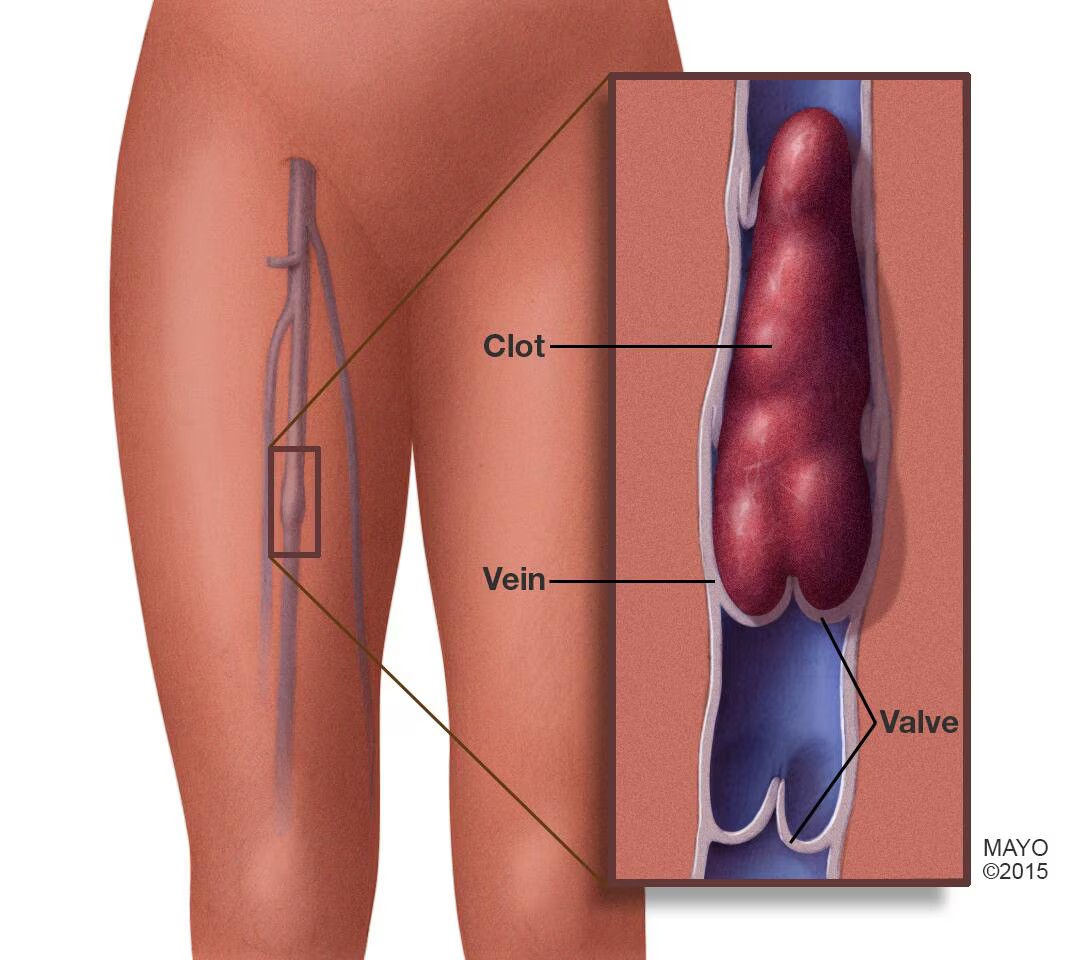
A DVT (deep vein thrombosis) is a blood clot that forms in a deep vein, most commonly in the leg. The concern is that part of a clot can break off and travel to the lungs, causing a pulmonary embolism (PE), which needs immediate medical attention.
This is why massage therapists take clot risk seriously. It’s not about being strict or dramatic. It’s about not applying hands-on pressure to a situation that needs medical care first.
One important note: many people with DVT have few or no symptoms, which is why your health history and current symptoms both matter.
Signs that need medical attention
I’m going to keep this simple and clear. If you notice new, unexplained symptoms like these, it’s not a “wait and see” moment.
Common DVT symptoms (often in one leg or one arm):
- Swelling
- Pain, cramping, or tenderness (often starting in the calf)
- Warmth in the area
- Redness or skin discoloration
Get emergency help right away if symptoms of DVT come with:
- Shortness of breath
- Chest pain (especially with breathing or coughing)
- Coughing up blood
- Feeling faint or suddenly unwell
If any of this is happening, please don’t book a massage to “see if it helps.” Get assessed first.
Who is at higher risk for DVT?
DVT can happen to anyone, but risk is higher in certain situations, especially when blood flow is slowed or the vein has been irritated or injured.
Some common risk factors include:
- Recent surgery, hospitalization, or being confined to bed
- Long periods of sitting (including long flights or drives)
- Pregnancy and the weeks after birth
- Smoking, older age, or being overweight
- Previous DVT
- Estrogen-related medications (birth control or HRT)
- Some chronic health conditions (including cancer and heart failure)
This isn’t meant to make you anxious. It’s meant to help you connect the dots if something feels “off.”
How I approach massage safely when clot risk is part of the picture
Here’s what safety looks like in real life, in an RMT clinic:
- I screen carefully: I ask about symptoms, recent medical events, medications, travel, and anything new or unusual.
- If something doesn’t feel right, we pause: If your symptoms suggest a clot could be possible, massage is postponed and I’ll encourage you to seek medical assessment first. This is part of responsible care and appropriate referral.
- If you’re medically cleared, we tailor the plan: Treatment can be adjusted to stay gentle, focused, and appropriate for your situation.
And yes, while it’s uncommon, there are published case reports describing venous thromboembolism occurring after very vigorous deep tissue massage to the legs, which supports why I’m cautious with intense leg work when risk factors are present.
If you’re on blood thinners or have a history of clots
If you take anticoagulants (blood thinners), the biggest massage-related concern is usually bruising or bleeding more easily.
What helps most:
- Tell your RMT what medication you’re on (and why).
- Expect a lighter, more respectful pressure approach.
- We typically avoid heavy, aggressive techniques that can leave bruising, especially on the legs.
If you have a current or suspected clot, massage should wait until you’ve been assessed and cleared by your medical team.
A gentle next step
If you’ve been medically cleared and you want massage that feels calm, careful, and supportive, I’m here. We’ll take our time with your intake, talk through your comfort level, and create a plan that feels safe in your body.
If you’re ready, you can book a session with Aurelia RMT in Toronto.
Key Takeaways
- ✓Massage should be paused if there's any concern for deep vein thrombosis (DVT) until medical assessment is done.
- ✓DVT is a blood clot in a deep vein, often in the leg, which can lead to a pulmonary embolism if part of the clot travels to the lungs.
- ✓Common DVT symptoms include swelling, pain, warmth, and redness in one leg or arm, and require immediate medical attention if accompanied by shortness of breath or chest pain.
- ✓Risk factors for DVT include recent surgery, long periods of immobility, pregnancy, smoking, and certain medications.
- ✓Massage therapists screen for DVT risk factors and adjust treatment plans to ensure safety, especially for clients on blood thinners or with a history of clots.
Frequently Asked Questions
What are the risks of getting a massage if I have a history of blood clots?
If you have a history of blood clots, massage should be approached with caution. It's important to inform your RMT about your medical history so they can tailor the treatment appropriately. Massage may be postponed if there's any suspicion of a current clot until you've been medically assessed.
How can I tell if I might have a DVT before getting a massage?
Common symptoms of DVT include swelling, pain, cramping, or tenderness in one leg or arm, warmth in the area, and redness or skin discoloration. If these symptoms are present, seek medical attention before booking a massage.
Why is it important to inform my RMT about recent surgeries or long travel before a massage?
Recent surgeries or long travel can increase the risk of DVT due to slowed blood flow or vein irritation. Informing your RMT helps them assess your risk and decide if massage is safe for you at that time.
What precautions should I take if I'm on blood thinners and want a massage?
If you're on blood thinners, inform your RMT about the medication. Expect a lighter pressure approach to avoid bruising or bleeding, especially on the legs. Heavy, aggressive techniques are typically avoided.
Can massage therapy cause blood clots to form or move?
While uncommon, there are case reports of venous thromboembolism occurring after vigorous deep tissue massage. This is why RMTs are cautious with intense leg work when risk factors are present, and why medical clearance is important if there's a clot risk.
References & Citations
- [1] About Venous Thromboembolism (Blood Clots)- Venous thromboembolism (VTE) is a term referring to blood clots in the veins. VTE includes deep vein thrombosis (DVT) and pulmonary embolism (PE). DVT occurs when a blood clot develops in a deep vein, most commonly in the lower leg, thigh, or pelvis, but can also occur in the arm. PE occurs when a part of the clot breaks off and travels to the lungs, which can be life-threatening. DVT and PE are often underdiagnosed and are serious but often preventable medical conditions.
- [2] DVT (deep vein thrombosis)- DVT (deep vein thrombosis) is a blood clot in a vein, usually in the leg. DVT can be dangerous. Get medical help as soon as possible if you think you have DVT.
- [3] Deep vein thrombosis (DVT)- Deep vein thrombosis (DVT) occurs when a blood clot (thrombus) forms in one or more of the deep veins in the body, usually in the legs. Deep vein thrombosis can cause leg pain or swelling. Sometimes there are no noticeable symptoms.
- [4] Side effects- A possible side effect of anticoagulants is excessive bleeding (haemorrhage), because these medicines increase the time it takes for blood clots to form.
- [5] Massage and Medication- There are common conditions that can sometimes require massage therapists to alter their treatment plans, either because of the symptoms of the condition or because of side effects of the medications. Brent A. Bauer, MD, FACP, Director, Complementary and Integrative Medicine Program at Mayo Clinic, says there are precautions all massage therapists should take when starting a treatment program—especially if the client is taking medications.
- [6] Clinical Indications for Massage Therapy of Sensitive Areas- The following clinical indications are to be used in the documentation of consent for the assessment and/or treatment of sensitive areas as required in the Standards of Practice (2022).
- [7] Venous thromboembolism following vigorous deep tissue massage- Venous thromboembolism (VTE) is an increasing public health concern, in part because of lack of awareness among patients and physicians. Nonpenetrating trauma to the legs may be an under-recognized potential risk factor for VTE. We report a case of VTE following vigorous deep tissue massage in a previously healthy 67-year-old man with no other identifiable risk factors. The etiology, risk factors, and implications for the prevention and detection of VTE are reviewed. There are few other published reports of VTE associated with massage, but under-reporting seems likely. Vigorous massage or any equivalent trauma to the legs should be considered and evaluated as a possible risk factor for VTE, especially in older adults. Additional research is needed to clarify the risks associated with nonpenetrating trauma to the legs in older adults and other susceptible groups. Improved awareness of VTE, including its risk factors and symptoms, is an urgent priority for more effective prevention, detection, and treatment.